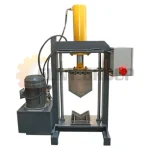
Motor recycling is evolving fast, and one of the most critical tasks in the process is cutting and separating the motor casing. Whether you’re running a recycling facility, operating a workshop, or scaling up an e-waste processing line, knowing how to process the motor casing with an electric motor cutting machine can dramatically increase your output, efficiency, and profitability.
Thanks to modern automated cutting machines, what once required hours of manual labor can now be performed in minutes—with cleaner cuts, higher copper recovery rates, and significantly improved safety.
1. Understanding the Electric Motor Cutting Machine
An electric motor cutting machine is a purpose-built industrial tool designed to:
- Slice through motor housings
- Separate the stator from the casing
- Expose internal copper windings
- Prepare motors for downstream recycling processes
- Modern machines deliver high torque, stable clamping, and precision cutting, which dramatically reduces waste and maximizes material recovery.
Why It Matters
A typical motor contains 15–25% copper, one of the most valuable recyclable commodities.
Cutting machines can increase copper recovery by up to 30% compared to manual dismantling.
Automated machines reduce labor time by 70–90%, increasing throughput and overall ROI.
2. Step-by-Step: How to Process the Motor Casing
Here’s the complete workflow professionals follow when processing motor casings with an electric motor cutting machine:
- Step 1: Inspect and Sort Motors
Before cutting, operators examine motors based on:
- Size
- Material
- Level of contamination
- Stator design (squirrel cage, wound rotor, etc.)
- Sorting ensures the correct cutting pressure, blade type, and feeding method are selected.
Step 2: Secure the Motor in the Clamping System
The machine uses hydraulic or mechanical clamps to grip the motor casing securely. This prevents movement and ensures:
- Precise cuts
- Reduced operator risk
- Consistent output quality
Safety Tip: Always check clamp pressure and ensure no vibration is present before cutting.
Step 3: Initiate the Cutting Cycle
Once secured, activate the cutting head. The machine rotates or drives the blade to cut through the motor casing.
Depending on the machine type, it may:
- Slice the casing horizontally
- Cut the stator core
- Split the motor body into two halves
This exposes the stator and copper windings inside.
Step 4: Remove the Stator
After cutting:
- Use a puller or hydraulic separation tool
- Extract the stator cleanly
- Avoid damaging the copper windings
Many automated systems feature built-in stator separation mechanisms.
2. Benefits of Using an Electric Motor Cutting Machine
Here are the major advantages:
1. Higher Copper Recovery
Precise cuts prevent copper loss and contamination.
2. Faster Throughput
Process more motors per hour with consistent output quality.
3. Lower Labor Costs
Automation reduces reliance on high-skill manual dismantling.
4. Improved Safety
Reduces physical strain and eliminates risky manual cutting steps.
5. Cleaner Output
Makes downstream sorting more efficient.
3. Frequently Asked Questions
Q1: What types of motors can the cutting machine process?
Most machines handle:
- Small household motors
- Medium industrial motors
- Vehicle motors
- Pump motors
- Compressor motors
- Fan motors
Check model specifications for diameter and weight limits.
Q2: Does the machine damage copper windings?
No—if operated correctly. Modern machines are engineered to avoid cutting the copper, protecting its resale value.
Q3: How long does it take to process a single motor casing?
High-efficiency cutting machines process a typical motor in 30–90 seconds, depending on size and hardness.
Processing a motor casing with an electric motor cutting machine isn’t just about cutting metal—it’s about unlocking high-value copper, increasing production capacity, and bringing modern efficiency into your recycling operation.
With the right equipment, proper workflow, and adherence to safety, recycling businesses can achieve faster output, better copper purity, and higher profits. Whether you’re scaling up your recycling line or optimizing an existing setup, mastering this process is a powerful step forward.