
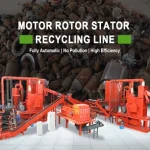
The rapid growth of new energy vehicles (NEVs), including electric vehicles (EVs) and hybrid vehicles, is transforming the global transportation industry. While this shift significantly reduces carbon emissions, it also creates a new challenge: managing the increasing volume of end-of-life vehicle components, particularly waste motors.
Electric vehicle motors contain valuable materials such as copper, aluminum, silicon steel, and rare earth magnets. As millions of NEVs approach retirement in the coming years, efficient recycling solutions are becoming essential. This is where a Dismantling and Recycling Machine for Waste Motors from New Energy Vehicles plays a crucial role.
These advanced recycling systems help businesses recover high-value materials while reducing labor costs, improving safety, and supporting sustainable manufacturing. In this article, we’ll explore how these machines work, their benefits, and answers to frequently asked questions.
Why Is Recycling New Energy Vehicle Motors Important?
According to industry forecasts, global electric vehicle sales continue to grow rapidly, with millions of EVs expected to reach end-of-life over the next decade. Each retired motor contains significant quantities of recyclable metals that can be reintroduced into manufacturing supply chains.
Without proper recycling:
- Valuable resources are wasted.
- Landfill pressure increases.
- Environmental pollution risks grow.
- Manufacturers face higher raw material costs.
By implementing specialized motor dismantling and recycling equipment, companies can recover up to 90% or more of reusable materials from waste motors, contributing to a circular economy.
Malaysia motor rotor hammer line site
What Is a Dismantling and Recycling Machine for Waste Motors?
A waste motor dismantling and recycling machine is an integrated system designed to disassemble electric vehicle motors and separate valuable materials efficiently.
The recycling process typically includes:
- Motor feeding
- Housing dismantling
- Rotor and stator separation
- Copper winding extraction
- Magnet removal
- Crushing and shredding
- Metal sorting and separation
- Material collection
Modern recycling lines utilize PLC automation, intelligent control systems, and advanced sorting technologies to maximize recovery rates while minimizing manual intervention.
7 Key Benefits of Using a Waste Motor Recycling Machine
1. High Copper Recovery Rate
Copper is one of the most valuable materials inside EV motors. Advanced dismantling systems can efficiently extract copper windings while maintaining material purity.
Higher purity means:
- Better resale value
- Increased recycling profits
- Reduced processing costs
2. Efficient Rare Earth Magnet Recovery
Permanent magnet motors contain rare earth elements such as neodymium and dysprosium.
Recovering these materials helps:
- Reduce dependence on mining
- Lower production costs
- Support sustainable manufacturing
As rare earth demand continues to rise, recovering magnets becomes increasingly valuable.
3. Significant Labor Savings
Traditional motor dismantling requires extensive manual labor and presents safety risks.
Automated recycling systems:
- Reduce workforce requirements
- Increase processing speed
- Improve operational consistency
- Lower long-term costs
Many facilities report substantial labor cost reductions after adopting automated recycling equipment.
4. Enhanced Workplace Safety
Electric vehicle motors are heavy and complex.
Manual dismantling can expose workers to:
- Sharp metal edges
- Heavy lifting injuries
- Dust exposure
- Electrical hazards
Automated recycling machines minimize direct worker contact with hazardous components, creating a safer working environment.
5. Higher Processing Capacity
Industrial recycling lines can process large volumes of waste motors continuously.
Benefits include:
- Faster throughput
- Reduced bottlenecks
- Increased profitability
- Better scalability
This is particularly important as retired EV volumes continue to increase worldwide.
6. Environmentally Friendly Recycling
Proper motor recycling prevents valuable metals from entering landfills and reduces the environmental impact associated with raw material extraction.
Environmental advantages include:
- Lower carbon emissions
- Reduced mining activities
- Resource conservation
- Improved sustainability compliance
Businesses can also strengthen their environmental credentials and ESG initiatives.
7. Attractive Return on Investment
The combination of recovered copper, aluminum, steel, and rare earth materials creates significant revenue opportunities.
Companies benefit from:
- Higher material recovery value
- Reduced labor expenses
- Improved operational efficiency
- Faster payback periods
As metal prices remain strong, recycling waste motors has become an increasingly profitable business opportunity.
Frequently Asked Questions About Waste Motor Recycling Machines
How much material can be recovered from EV motors?
Recovery rates depend on motor type and equipment quality. Advanced recycling systems can recover most copper, aluminum, steel, and magnetic materials with high purity levels.
What types of motors can be processed?
Most machines can handle:
- Permanent magnet motors
- AC induction motors
- Hybrid vehicle motors
- Industrial electric motors
- Servo motors
Some systems are specifically optimized for new energy vehicle motor designs.
Is the recycling process environmentally friendly?
Yes. Modern recycling equipment minimizes waste generation and maximizes material recovery, significantly reducing environmental impact compared to disposal.
How automated are these systems?
Many advanced systems feature:
- Automatic feeding
- PLC control
- Intelligent separation
- Automated sorting
This reduces operator involvement and improves efficiency.
What industries benefit from motor recycling equipment?
Common users include:
- EV recycling facilities
- Scrap metal processors
- Automotive dismantling companies
- Resource recovery centers
- Circular economy enterprises
How to Choose the Right Waste Motor Recycling Machine
Before investing, consider the following factors:
Processing Capacity
Choose equipment that matches your expected daily throughput.
Material Recovery Efficiency
Look for systems with high recovery and purity rates for copper, aluminum, and magnets.
Automation Level
Higher automation improves productivity and reduces labor dependence.
Energy Consumption
Energy-efficient equipment lowers operational costs over time.
Technical Support
Partner with an experienced manufacturer that offers installation, training, and after-sales service.
The Future of New Energy Vehicle Motor Recycling
As global EV adoption accelerates, the volume of retired motors will continue to grow dramatically. Governments and manufacturers are increasingly emphasizing resource recovery and circular economy initiatives.
Advanced dismantling and recycling machines will become essential infrastructure for recovering critical materials and supporting sustainable production. Businesses that invest early in efficient recycling technologies will be well-positioned to capitalize on this rapidly expanding market.
Conclusion
The rise of new energy vehicles presents both opportunities and challenges for the recycling industry. A Dismantling and Recycling Machine for Waste Motors from New Energy Vehicles offers an efficient, profitable, and environmentally responsible solution for processing retired EV motors.
By recovering valuable copper, aluminum, steel, and rare earth materials, businesses can reduce waste, improve sustainability, and generate strong returns on investment. As electric vehicle retirement volumes increase, advanced motor recycling technology will play a critical role in building a more sustainable and resource-efficient future.