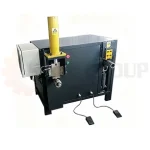
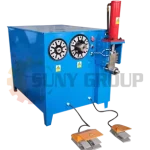
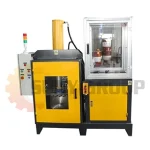
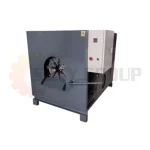
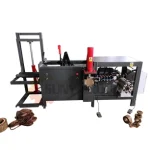
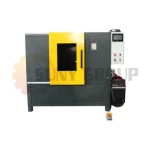
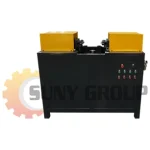
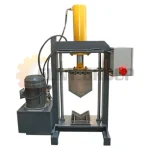
Waste electric motors are everywhere—scrapped appliances, industrial equipment, HVAC systems, and end-of-life machinery. Inside these motors lies high-value copper windings, but separating copper wires quickly and cleanly has long been a bottleneck for recyclers.
Manual dismantling is slow. Burning is illegal and dangerous. Crushing without control leads to material loss.
So the real question becomes: How can you quickly separate copper wires from waste electric motors using professional motor recycling equipment—efficiently, safely, and profitably?
Why Copper Wire Separation Matters More Than Ever
Copper prices remain strong due to electrification, EV growth, and renewable energy demand. According to industry data, copper recycling uses up to 85% less energy than primary mining, making it both profitable and sustainable.
A single industrial motor can contain 10–30% copper by weight. Multiply that by volume, and the numbers quickly add up.
But value depends on purity, speed, and yield—and that’s where motor recycling equipment makes the difference.
The Fastest Way to Separate Copper from Waste Electric Motors
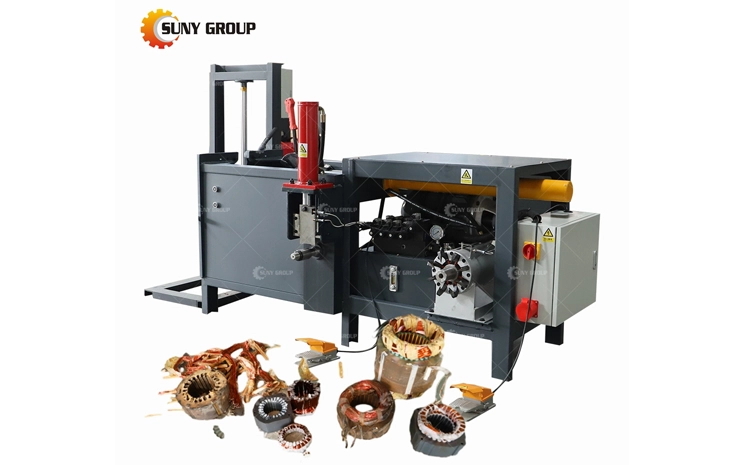
Step 1: Motor Cutting or Shell Splitting
The first step is opening the motor housing.
Motor shell cutting machines or motor stator splitting machines are designed to:
- Slice aluminum or steel shells cleanly
- Avoid damaging copper windings
Increase downstream separation efficiency
Why this matters:
Step 2: Stator and Rotor Separation
Once opened, motors are divided into:
- Stator (copper windings + iron core)
- Rotor (shaft + iron + aluminum)
- Dedicated motor dismantling machines automate this step, reducing labor intensity and improving safety.
Step 3: Copper Wire Pulling or Crushing
Depending on motor size, two main methods are used:
Method A: Copper Wire Pulling Machine
Best for:
- Large industrial motors
- Thick copper windings
These machines pull copper windings directly from stator slots, delivering:
- High-purity copper
- Minimal copper loss
- Fast processing
Method B: Motor Crusher & Granulator
Ideal for:
- Small motors
- Mixed or damaged stators
The stator is crushed, then processed through:
- Magnetic separation (iron removal)
- Air separation (dust & insulation removal)
- Granulation (clean copper output)
Step 4: Copper Cleaning and Sorting
Final systems use:
- Vibrating screens
- Air classifiers
- Electrostatic separators
Frequently Asked Questions (FAQs)
1. What is the fastest method to separate copper from electric motors?
Using an integrated motor recycling line—combining cutting, pulling, crushing, and separation—is the fastest solution. Automated systems can process 500–3,000 kg/hour, depending on configuration.
2. What size motors can be processed?
Professional equipment handles:
- Household motors (washing machines, fans)
- Automotive motors
- Large industrial motors (up to several hundred kilograms)
- Custom solutions are often used for oversized stators.
3. How pure is the recovered copper?
With proper separation, copper purity typically reaches 99%, meeting Grade A scrap standards.
Separating copper wires from waste electric motors doesn’t have to be slow, dirty, or inefficient. With the right motor recycling equipment, recyclers can turn complex scrap into high-purity copper—quickly, safely, and profitably.