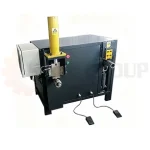
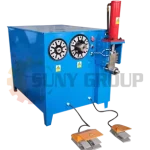
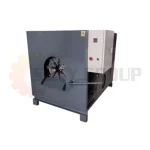
Every year, millions of scrap electric motors—from electric vehicles, hybrid cars, industrial machines, and household appliances—are discarded worldwide. Hidden inside these “waste” motors is something incredibly valuable: high-purity copper. With copper prices remaining strong and sustainability becoming non-negotiable, scrap electric motor recycling machines are no longer optional—they’re a smart, future-proof investment.
So how do modern recycling machines recycle vehicle motor copper efficiently, cleanly, and profitably? What technologies actually work, and which mistakes should you avoid?
Why Scrap Electric Motor Recycling Matters More Than Ever
Electric motors are everywhere—especially in vehicles. A single EV can contain 20–40 kg of copper, much of it locked inside traction motors, starters, alternators, and auxiliary drive motors.
Here’s why recycling them is urgent:
- Copper demand is expected to increase by over 50% by 2035, driven by EVs and renewable energy
- Recycling copper uses up to 85% less energy than primary mining
- Landfilling motors wastes recoverable metals and violates tightening environmental regulations
- Recycling isn’t just green—it’s good business.
What Is a Scrap Electric Motor Recycling Machine?
A scrap electric motor recycling machine is a specialized system designed to:
- Dismantle or shred electric motors
- Separate copper windings from steel, aluminum, and insulation
- Recover clean, saleable copper with high purity
Unlike manual stripping, modern machines automate the process, increasing throughput, safety, and profitability.
How Does a Vehicle Motor Copper Recycling Process Work?
Although system designs vary, most advanced recycling lines follow this proven workflow:
1. Pre-Shredding or Dismantling
- Large vehicle motors are either:
- Manually dismantled (for high-value motors), or
- Fed into a heavy-duty shredder for size reduction
2. Crushing & Liberation
Hammer mills or fine crushers break motors into small fractions, liberating copper windings from iron cores and casings.
3. Magnetic Separation
Powerful magnets remove:
- Steel housings
- Iron laminations
This step dramatically improves copper purity.
4. Air & Gravity Separation
Using airflow and density differences:
- Light materials (plastic, insulation) are removed
- Heavy copper granules are concentrated
5. Electrostatic Separation (Optional)
For higher-end systems, electrostatic separators further refine copper to 99%+ purity.
Frequently Asked Questions About Electric Motor Copper Recycling
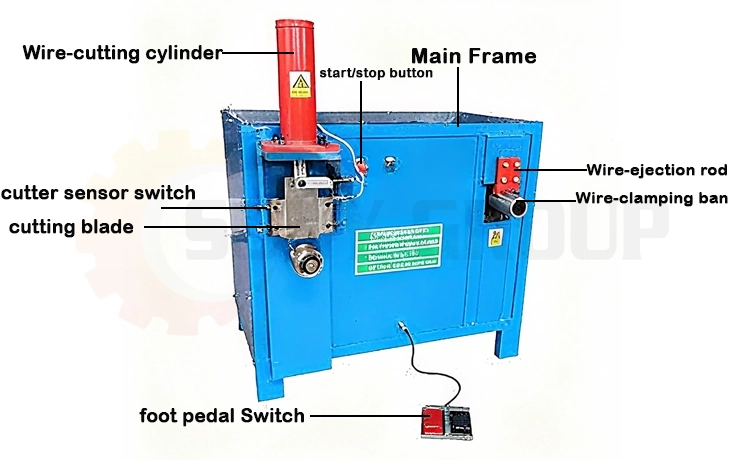
How much copper can be recovered from scrap vehicle motors?
On average:
- Small motors: 10–15% copper content
- EV traction motors: up to 25% copper by weight
- A well-designed recycling machine can recover over 98% of available copper.
Is motor recycling profitable at small scale?
Yes—if you choose the right equipment.
Even compact recycling lines can process:
- 300–500 kg/hour
- Generate steady cash flow with low labor costs
- Profitability increases significantly when processing EV motors and industrial-grade units.
Can one machine handle different motor types?
High-quality systems are designed for:
- AC motors
- DC motors
- EV traction motors
- Alternators and starters
- Flexibility is critical for long-term ROI.
Is the process environmentally friendly?
Absolutely. Modern systems:
- Operate dust-free with cyclone filtration
- Avoid chemical processing
- Reduce landfill waste dramatically
Many recycling plants qualify for green subsidies or tax incentives.
Key Benefits of Using a Professional Motor Recycling Machine
✅ Higher Copper Purity
Cleaner copper sells faster and at premium prices.
✅ Lower Labor Costs
Automation replaces manual stripping—safer and faster.
✅ Faster Payback
Most systems achieve ROI within 12–24 months.
✅ Regulatory Compliance
Meet environmental and waste-management standards effortlessly.
What Makes a High-Quality Electric Motor Recycling Machine?
When evaluating equipment, focus on these essentials:
- Heavy-duty shredding capability (vehicle motors are tough)
- Efficient magnetic and air separation
- Low copper loss rate (<2%)
- Scalable modular design
- Strong after-sales support
- Cutting corners here often leads to contamination, downtime, and lost profit.
Why EV Motor Recycling Is the Next Gold Rush
EV adoption is exploding. As early-generation electric vehicles reach end-of-life, recyclers who invested early in vehicle motor copper recycling machines are gaining a massive advantage.
Think of it this way:
EV motors are tomorrow’s copper mines—only cleaner, faster, and closer to home.
Scrap electric motor recycling machines are no longer niche equipment—they’re essential tools in the modern recycling economy. Whether you’re processing vehicle motors, industrial scrap, or EV components, the ability to recover high-purity copper efficiently can transform waste into a reliable revenue stream.
With rising copper prices, stricter regulations, and growing demand for sustainable solutions, now is the time to invest in smarter recycling technology.
The motors may be scrap—but the opportunity is pure gold.